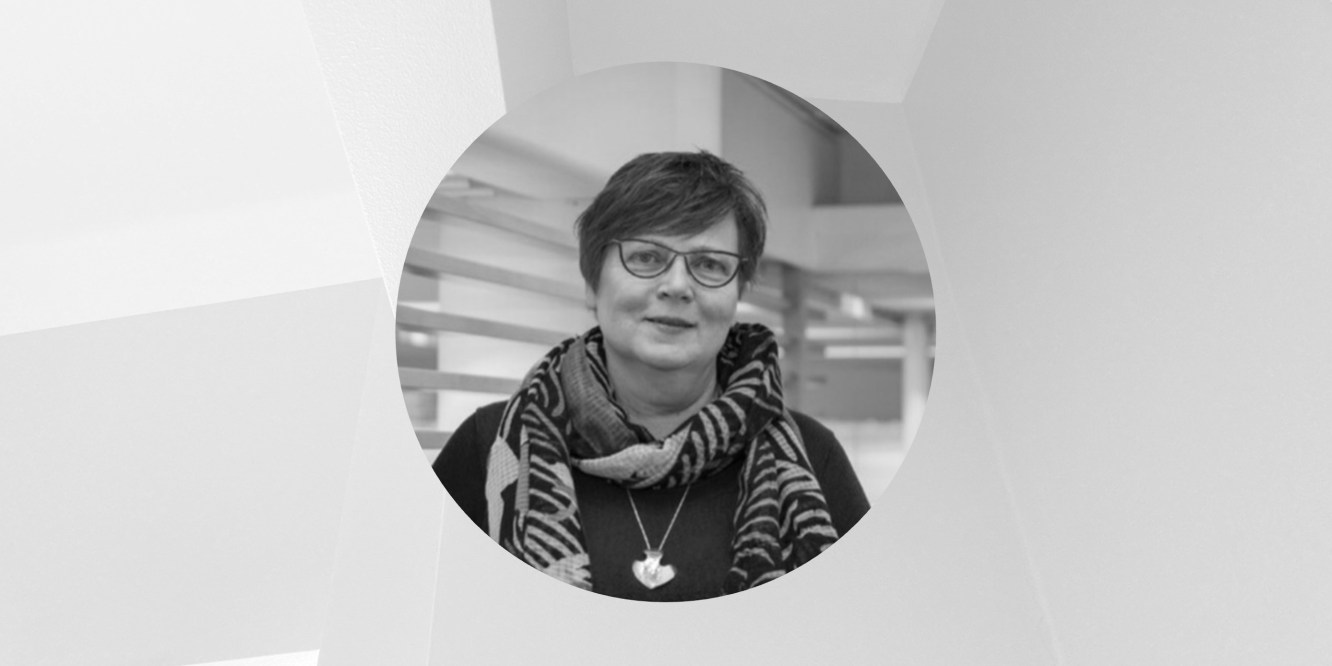
In the past few months, what have you been experimenting with and learning from it, Library Director at Helsinki City Kati Vänttinen?
My experiment is more like a long-term climate change path – a story how to build trust and learn to experiment together. Thank you for your criticism: leader’s actions for a positive workplace climate change.
Workplace climate is how people experience their current workplace – all the visible and audible actions and reactions toward each other, no matter what your role in the organization is. At its best, the climate feels safe and encouraging for goal-oriented teamwork and experimenting together. Everyone feels motivated, accountable, and rewarded for individual actions, and it is perfectly ok to fail and learn together. The workplace is in good health and ready for everything, even nasty surprises.
While organizational culture is described as the long-term genealogy of the organization, the climate is its everyday heartbeat and blood pressure. The culture is very slow to change, but the climate changes quickly due to outside pressure and the behavior of the individuals.
My goal as a leader is to create and nurture an authentic, friendly, and information-sharing climate. I encourage people to share stories, problems, and ideas, ask “stupid” questions, ask for help from others and reveal their strengths and weaknesses in order to learn together. I personally give an example of authenticity by asking for advice from all levels and sharing my own mishaps and funny incidents, especially my mistakes, which I make quite often due to my impulsive and unorganized personality.
Moving towards a softer, more agile, and human-oriented climate has been a continuous learning process for many of the organizations I have worked for. The organizational structure and climate have traditionally been more hierarchical, competitive, and control-oriented, as well as typically avoiding mistakes.
I want to build psychological safety and a stronger trust climate throughout the organization, both horizontally (peer-to-peer) and especially vertically, which is not so common in traditional hierarchical organizations. To increase vertical trust the leader must give and welcome feedback from all levels of the organization.
I have experimented saying always “Thank you” whenever anyone dares to give criticism, and “Sorry” when I have made a mistake. My key learning targets continue to be “listen more, ask for help in organizing the experiments, and keep the focus clear”.
There is always a need to learn more and continue to improve my own behavior. I recently read Patrick Lencioni’s book Five Dysfunctions of a Team which gives practical examples and tools for a positive climate change. Next on my reading list is Ira Lange’s and Kati Järvinen’s Finnish book called Pelko pois – Reseptejä johtajan muutosvoimaan.
Photo by Virpi Peltola

 Small experiments and inspiration